Introduction
Anesthesia, as a key component in modern medicine, leads to surgical procedures without any pain or discomfort. Sure, here’s the revised sentence. Also, anesthesia can facilitate safe and effective surgery while minimizing the risk of complications and unfavorable outcomes [ 1 ]. Preoperative assessment, intra-operative consultation, post-operative management, critical care, simulation and education, and efforts can provide remote access to anesthesiology services. The expertise in specialized centers is helpful to physicians in treating patients in remote areas. Telemedicine services, including anesthesiology, are reimbursed in some US states across various specialties [ 2 ]. However, the term “telemedicine” has different meanings over time, the majority of these meanings align with the fundamental principles outlined by the American Telemedicine Association, showing that telemedicine utilizes electronic communications to enhance patients’ clinical health [ 3 ]. Telemedicine uses information and remote communications technology to send medical data, audio, video, and other information interactively to provide distant medical and health services and enable remote patient-provider interactions [ 4 ]. Some applications of telemedicine are as follows: online consultations for patients, remote management, telenursing, and physical and psychiatric rehabilitation with remote access [ 5 ]. Furthermore, telemedicine improves access to high-quality healthcare [ 6 ], making clinical services more personalized. Telemedicine enhances medical practice by enabling clinicians to spend less time in remote areas and care for a larger number of patients. Electronic records and telemedicine facilitate easier access to patient data, thereby enhancing patient care safety. Remote appointments also enable doctors to allocate less time per patient, resulting in the ability to treat a greater number of patients [ 7, 8 ]. Telemedicine technology holds immense potential for patients in rural areas, particularly in nations with limited or no healthcare facilities. In such regions, clinics are providing internet video conferencing services, causing patients to have virtual medical visits, which leads to continue receiving treatment from their regular doctors when an in-person visit is not required or necessary. Additionally, patients can engage in interactive appointments with nurse practitioners or physicians through online platforms. Furthermore, some large companies offer automated doctor’s offices, while nursing call centers provide at-home treatment recommendations in a question-and-answer format. Telemedicine advancements are closing the healthcare access gap for individuals in remote areas [ 9-11 ]. Medical practices have been optimized in developed countries, particularly in European countries, through the effective implementation of telemedicine. To promote the usage of telemedicine programs, developing countries, particularly those in the Middle East, are advanced in information technology, policies, and guidelines [ 12 ]. Alaboudi et al. estimate that roughly 75% of telemedicine projects are abandoned or ultimately fail, which can reach 90% in developing countries [ 13 ]. The Middle East region presents cultural, financial, organizational, personal, technological, legal, and regulatory barriers when implementing telemedicine services. The growth of telemedicine is significant in Middle Eastern countries, as developing nations have faced challenges in adopting and achieving success rates despite its potential benefits [ 14 ]. The government’s performance in areas, in which program adoption is crucial, can affect the assessment of the readiness of an area for telemedicine [ 15 ]. Moreover, readiness becomes a crucial requirement before telemedicine implementation [ 16 ] can assess health institutions and professional readiness for a new system. Preparedness evaluation involves assessing the readiness of healthcare systems and personnel to adapt to changes in computerized systems [ 15 ]. Studies have been conducted to evaluate the readiness of telemedicine [ 17 - 20 ].
There is a noticeable research gap in the utilization of telemedicine in the field of anesthesia in Iran, despite its significant importance, advantages, and usefulness. Additionally, there is currently no Persian version of the Telehealth Readiness Assessment (TRA) tool, which is commonly used to assess the readiness for telemedicine implementation. Therefore, the objective of this study is twofold: 1) to translate the TRA questionnaire into Persian and evaluate its validity and reliability, and 2) to assess the readiness for implementing telemedicine in order to provide anesthesiologists’ services, using the translated TRA questionnaire.
Material and Methods
Setting and Data Collection
This cross-sectional study was carried out at the Anesthesiology Research Center (ARC) of Shahid Beheshti University of Medical Sciences from April to May 2023. A two-section questionnaire was utilized, as follows: 1) to gather demographic characteristics information, including gender, educational level, and academic field, and 2) to TRA tool. To assess the readiness of small physician practices, such as the ARC, a questionnaire was developed and administered to all staff members affiliated with the telemedicine system of the ARC, including anesthesiologists (n=14), system management and support personnel (n=4), and medical informatics specialists (n=2). The comprehensive data collection necessitated the inclusion of all staff members due to the small size of the ARC. Two members of the research team provided a verbal explanation of the study’s objectives to all participants, addressed any inquiries, and provided clarification before offering the questionnaire. Participants had the option to withdraw from the research at any point. No personal data, such as full names, phone numbers, email addresses, or similar details, were collected or utilized for the participants. Furthermore, the confidentiality of participants’ responses was ensured and maintained.
Instrument
The Maryland Health Care Commission developed TRA in 2019 [ 21 ], used to assess the readiness of small physician practices for telemedicine. The TRA tool can be also used by practices to determine their readiness for providing telehealth services, identify problem areas, and prioritize essential areas for development. The TRA tool’s results are meant to inform practices regarding the readiness of providers, patients, caregivers, and organizations for telehealth. The TRA tool’s five major domains (Core Readiness, Financial Considerations, Operations, Staff Engagement, and Patient Readiness) are related to the implementation of telehealth successfully [ 21 ]. Table 1 shows the domains, concepts, and weight of each concept.
| Domains | Concepts | Concept Weights (%) | Total Domain Weight |
|---|---|---|---|
| Core Readiness | Need for Telehealth | 10 | 20 |
| Organizational Leadership Buy-In | 10 | ||
| Financial Considerations | - | - | 15 |
| Operations | Telehealth Roles | 5 | 40 |
| Scheduling | 10 | ||
| Operational Requirements | 5 | ||
| Assessment Approach | 5 | ||
| Technology | 10 | ||
| Physical Space | 5 | ||
| Staff Engagement | Education and Awareness | 7.5 | 15 |
| Innovators/Champions | 7.5 | ||
| Patient Readiness | Patient Engagement | 5 | 10 |
| Health Literacy | 5 |
The original TRA questionnaire consists of fifty-four questions scored by a 3-point Likert scale (“No” or “Unsure” responses receive 1 point, “Somewhat” or “Partially” responses receive 2 points, and “Certainly” or “Fully” responses receive 3 points). Responses of” Not Applicable” are not scored, and these items are not used in the denominator to calculate the concept score. Excluding items from the denominator has been skipped. Adding the points awarded for each concept to get the final score. The score was calculated using the following formula (1):
Readiness Levels are described as follows:
Poor Readiness: ≤50% - The practice is in the early stages or needs to consider more aspects related to the concept or domain. It would be beneficial to review the relevant supporting guidance document(s) and take appropriate steps for improvement.
Moderate Readiness: >50% and ≤75% - The practice has considered some relevant components of the concept or domain. Evaluating the relevant supporting guidance document(s) can help identify areas for further improvement.
High Readiness: >75% - The practice has taken into account a broad range of ideas or factors related to the concept or domain [ 21 ].
Translation
In the current study, the researchers sought approval from Dr. Andrew N. Pollak, one of the authors of the TRA tool, before the validation process for the Persian translation and use of the TRA. The tool was initially translated into Persian by two proficient English translators, and the two translations were then merged to identify any potential significant discrepancies and create a single Persian translation. No semantic or language changes were identified at this stage. In the next step, the Persian questionnaire was back-translated into English by two native English translators. The original scale and the synthesized translation were compared. As the translated items were semantically similar to the original ones at this stage, no changes were made to the Persian version. The Persian version of the questionnaire remained unchanged. (Available from the address: http://www.telehealth-readiness-assessment-tool.ir).
Validity and Reliability
The Persian version of the TRA scale was evaluated for content, face, internal consistency, and stability after translation.
1. Content Validity
A panel of 14 experts in medical informatics assessed the content validity in quantitative and qualitative ways. The expert panel assessed the scale’s content validity based on the items’ contents, the scale’s overall structure, and the need to add or remove items. Likewise, the expert panel provided feedback on the item’s assignment, word choice, grammatical conventions compliance, and item scoring. Modifications were made despite suggestions from a Panel of experts. Both the Content Validity Ratio (CVR) and the Content Validity Index (CVI) [ 22 ], were used to evaluate the quantitative content validity. By determining CVR, the panel of experts assessed the items’ needs. The CVR index calculation can cause the most valuable and essential information [ 23 ]. The usefulness of the items in evaluating the constructs was also assessed using the CVI. It is important to note that CVI values greater than 0.79 are considered acceptable, values between 0.70 and 0.79 may require additional modifications, and values equal to or lower than 0.70 should be removed [ 22 ]. The experts evaluated the items using a three-point Likert scale to assess their relevance, simplicity, and clarity.
2. Face validity
Face validity was assessed using quantitative and qualitative methods. For the quantitative evaluation, a 5-point Likert scale ranging from “quite important” (5) to “insignificant” (1) was utilized to rate the items of the measure. The experts on the content validity panel completed the scale. The impact score for each item was calculated using the following formula (2):
An acceptable impact score for this study is one of at least 1.5. The expert panel contributed to the legitimacy of the qualitative face. Participants were asked to rate the items’ clarity, level of difficulty, and the possibility of word and phrase ambiguity [ 22 , 24 ].
3. Reliability
Cronbach’s alpha coefficient was employed to evaluate the internal consistency of the TRA scale as a whole and for each individual item. The Intraclass Correlation Coefficient (ICC) with a 95% confidence interval was utilized to assess reproducibility. ICC values were calculated for both the overall score of the TRA scale and each individual question and interpreted as follows: values less than 0.50 indicate poor interrater dependability, those between 0.50 and 0.75 indicate moderate dependability, those between 0.75 and 0.90 show good dependability, and also those greater than 0.90 present outstanding dependability [ 25 - 27 ].
Data Analysis
All statistical interpretations were performed using SPSS v18.0 (SPSS Inc, Chicago, IL, USA).
Results
In this study, all staff members of the Anesthesiology Research Center were recruited, consisting of 12 female and 8 male participants with a mean age of 36.25±4.95 years. Table 2 provides a summary of the demographic characteristics of the participants.
| Variables | n (%) | |
|---|---|---|
| Gender | Female | 12 (60) |
| Male | 8 (40) | |
| Educational level | Master degree | 4 (20) |
| PhD | 2 (10) | |
| Anesthesiologist | 14 (70) | |
| Academic field | Computer sciences | 4 (20) |
| Medical informatics | 2 (10) | |
| Anesthesiologists | 14 (70) | |
Validity and Reliability analysis
1. Content validity
Relevancy, clarity, and ambiguity were used to evaluate the content validity. The panel of experts’ feedback was applied to qualitatively evaluate the scale’s content validity, and any modifications required were applied. A total of 54 items were evaluated for CVR, resulting in a value of 0.72, an acceptable level of content validity. Additionally, the CVI was calculated and obtained a value of 0.93. Table 3 provides a summary of the content validity findings from the study.
| Items of TRA | N | CVR | CVI | ICC | α |
|---|---|---|---|---|---|
| Q1 | 10 | 0.72 | 0.93 | 0.98 | 0.93 |
| Q2 | 5 | 0.79 | 0.95 | 0.98 | 0.94 |
| Q3 | 24 | 0.70 | 0.94 | 0.98 | 0.98 |
| Q4 | 7 | 0.73 | 0.95 | 0.98 | 0.91 |
| Q5 | 8 | 0.67 | 0.91 | 0.99 | 0.96 |
| Total | 54 | 0.72 | 0.93 | 0.98 | 0.99 |
| N: Number of Questions, ICC: intraclass correlation coefficient, CVR: Content Validity Ratio, CVI: Content Validity Index, α Cronbach’s alpha, TRA: Telehealth Readiness Assessment | |||||
2. Face validity
The current study’s expert panel approved each item and evaluated the quantitative face validity by calculating the impact score for each question. All fifty-four items impacted scores, higher than 1.5, indicating their significance in the study. Therefore, all of these items were considered for the subsequent phases of the research.
3. Reliability analysis
The subscales of the TRA demonstrated high internal consistency, with Cronbach’s alpha coefficients ranging from 0.93 to 0.98. For the entire scale, Cronbach’s alpha was 0.99, indicating excellent internal consistency, the ICC of the TRA items varied from 0.92 to 1, while the ICC for the entire scale was 0.98. Table 3 provides a summary of the reliability findings from the study.
Items Responses
Table 4 displays the frequency, at which participants responded to the items on the scale, while Table 5 presents the mean scores obtained for each item.
| Items of TRA | Certainly N(%) | to some extent N(%) | No, I'm not sure N(%) | I have no answer N(%) |
|---|---|---|---|---|
| Q1.1.1 | 16 (80) | 1 (5) | 3 (15) | 0 (0) |
| Q1.1.2 | 0 (0) | 11 (55) | 8 (40) | 1 (5) |
| Q1.1.3 | 9 (45) | 7 (35) | 3 (15) | 1 (5) |
| Q1.1.4 | 15 (75) | 2 (10) | 3 (15) | 0 (0) |
| Q1.1.5 | 7 (35) | 4 (20) | 8 (40) | 1 (5) |
| Q1.1.6 | 7 (35) | 4 (20) | 9 (45) | 0 (0) |
| Q1.2.1 | 10 (50) | 9 (45) | 1 (5) | 0 (0) |
| Q1.2.2 | 5 (25) | 8 (40) | 6 (30) | 1 (5) |
| Q1.2.3 | 4 (20) | 5 (25) | 10 (50) | 1 (5) |
| Q1.2.4 | 8 (40) | 7 (35) | 2 (10) | 3 (15) |
| Q2.1 | 7 (35) | 5 (25) | 8 (40) | 0 (0) |
| Q2.2 | 3 (15) | 8 (40) | 8 (40) | 1 (5) |
| Q2.3 | 3 (15) | 9 (45) | 6 (30) | 2 (10) |
| Q2.4 | 7 (35) | 9 (45) | 2 (10) | 2 (10) |
| Q2.5 | 3 (15) | 7 (35) | 9 (45) | 1 (5) |
| Q3.1.1 | 3 (15) | 12 (60) | 5 (25) | 0 (0) |
| Q3.1.2 | 7 (35) | 8 (40) | 5 (25) | 0 (0) |
| Q3.1.3 | 2 (10) | 11 (55) | 7 (35) | 0 (0) |
| Q3.1.4 | 4 (20) | 7 (35) | 8 (40) | 1 (5) |
| Q3.2.1 | 2 (10) | 9 (45) | 6 (30) | 3 (15) |
| Q3.2.2 | 4 (20) | 11 (55) | 4 (20) | 1 (5) |
| Q3.2.3 | 5 (25) | 10 (50) | 5 (25) | 0 (0) |
| Q3.2.4 | 4 (20) | 8 (40) | 8 (40) | 0 (0) |
| Q3.2.5 | 3 (15) | 10 (50) | 6 (30) | 1 (5) |
| Q3.3.1 | 4 (20) | 8 (40) | 7 (35) | 1 (5) |
| Q3.3.2 | 5 (25) | 4 (20) | 10 (50) | 1 (5) |
| Q3.3.3 | 3 (15) | 7 (35) | 8 (40) | 2 (10) |
| Q3.3.4 | 8 (40) | 6 (30) | 3 (15) | 3 (15) |
| Q3.4.1 | 8 (40) | 7 (35) | 5 (25) | 0 (0) |
| Q3.4.2 | 6 (30) | 12 (60) | 1 (5) | 1 (5) |
| Q3.4.3 | 4 (20) | 9 (45) | 6 (30) | 1 (5) |
| Q3.4.4 | 4 (20) | 10 (50) | 5 (25) | 1 (5) |
| Q3.5.1 | 7 (35) | 10 (50) | 2 (10) | 1 (5) |
| Q3.5.2 | 9 (45) | 7 (35) | 3 (15) | 1 (5) |
| Q3.5.3 | 8 (40) | 9 (45) | 3 (15) | 0 (0) |
| Q3.5.4 | 10 (50) | 6 (30) | 3 (15) | 1 (5) |
| Q3.6.1 | 10 (50) | 5 (25) | 5 (25) | 0 (0) |
| Q3.6.2 | 10 (50) | 5 (25) | 5 (25) | 0 (0) |
| Q3.6.3 | 3 (15) | 5 (25) | 10 (50) | 2 (10) |
| Q4.1.1 | 6 (30) | 9 (45) | 4 (20) | 1 (5) |
| Q4.1.2 | 8 (40) | 9 (45) | 3 (15) | 0 (0) |
| Q4.1.3 | 2 (10) | 10 (50) | 8 (40) | 0 (0) |
| Q4.2.1 | 7 (35) | 4 (20) | 6 (30) | 3 (15) |
| Q4.2.2 | 11 (55) | 7 (35) | 1 (5) | 1 (5) |
| Q4.2.3 | 4 (20) | 8 (40) | 8 (40) | 0 (0) |
| Q4.2.4 | 7 (35) | 9 (45) | 3 (15) | 1 (5) |
| Q5.1.1 | 12 (60) | 8 (40) | 0 (0) | 0 (0) |
| Q5.1.2 | 3 (15) | 8 (40) | 3 (15) | 6 (30) |
| Q5.1.3 | 8 (40) | 9 (45) | 2 (10) | 1 (5) |
| Q5.1.4 | 6 (30) | 10 (50) | 2 (10) | 2 (10) |
| Q5.1.5 | 6 (30) | 13 (65) | 1 (5) | 0 (0) |
| Q5.2.1 | 6 (30) | 13 (65) | 1 (5) | 0 (0) |
| Q5.2.2 | 3 (15) | 13 (65) | 3 (15) | 1 (5) |
| Q5.2.3 | 4 (20) | 10 (50) | 6 (30) | 0 (0) |
| Q: Questions, TRA: Telehealth Readiness Assessment | ||||
| R | Q1.1 | Q1.2 | Q2 | Q3.1 | Q3.2 | Q3.3 | Q3.4 | Q3.5 | Q3.6 | Q4.1 | Q4.2 | Q5.1 | Q5.2 |
|---|---|---|---|---|---|---|---|---|---|---|---|---|---|
| R1 | 93.33 | 83.33 | 66.67 | 66.67 | 44.44 | 66.67 | 50.00 | 55.56 | 83.33 | 55.56 | 66.67 | 77.78 | 66.67 |
| R2 | 66.67 | 50.00 | 53.33 | 33.33 | 53.33 | 55.56 | 66.67 | 91.67 | 66.67 | 55.56 | 77.78 | 58.33 | 66.67 |
| R3 | 77.78 | 75.00 | 66.67 | 66.67 | 80.00 | 75.00 | 66.67 | 75.00 | 88.89 | 66.67 | 75.00 | 73.33 | 66.67 |
| R4 | 38.89 | 58.33 | 60.00 | 33.33 | 33.33 | 41.67 | 41.67 | 50.00 | 33.33 | 33.33 | 50.00 | 66.67 | 55.56 |
| R5 | 77.78 | 75.00 | 53.33 | 66.67 | 60.00 | 58.33 | 83.33 | 83.33 | 66.67 | 77.78 | 75.00 | 93.33 | 77.78 |
| R6 | 83.33 | 75.00 | 60.00 | 58.33 | 73.33 | 58.33 | 58.33 | 91.67 | 44.44 | 77.78 | 58.33 | 60.00 | 66.67 |
| R7 | 83.33 | 75.00 | 66.67 | 83.33 | 73.33 | 66.67 | 83.33 | 91.67 | 66.67 | 88.89 | 83.33 | 86.67 | 77.78 |
| R8 | 83.33 | 83.33 | 66.67 | 66.67 | 66.67 | 100.00 | 88.89 | 100.00 | 66.67 | 83.33 | 33.33 | 66.67 | 66.67 |
| R9 | 77.78 | 83.33 | 100.00 | 100.00 | 100.00 | 100.00 | 100.00 | 100.00 | 100.00 | 100.00 | 100.00 | 100.00 | 100.00 |
| R10 | 44.44 | 58.33 | 53.33 | 33.33 | 46.67 | 33.33 | 33.33 | 41.67 | 33.33 | 33.33 | 58.33 | 66.67 | 33.33 |
| R11 | 66.67 | 66.67 | 60.00 | 66.67 | 46.67 | 50.00 | 58.33 | 50.00 | 44.44 | 66.67 | 58.33 | 53.33 | 55.56 |
| R12 | 61.11 | 66.67 | 58.33 | 66.67 | 77.78 | 55.56 | 58.33 | 66.67 | 55.56 | 55.56 | 66.67 | 60.00 | 66.67 |
| R13 | 88.89 | 66.67 | 53.33 | 66.67 | 53.33 | 91.67 | 75.00 | 83.33 | 55.56 | 66.67 | 66.67 | 80.00 | 55.56 |
| R14 | 38.89 | 91.67 | 80.00 | 33.33 | 66.67 | 41.67 | 50.00 | 83.33 | 100.00 | 66.67 | 83.33 | 91.67 | 66.67 |
| R15 | 38.89 | 58.33 | 33.33 | 33.33 | 33.33 | 41.67 | 41.67 | 50.00 | 33.33 | 33.33 | 50.00 | 66.67 | 55.56 |
| R16 | 88.89 | 66.67 | 46.67 | 66.67 | 46.67 | 50.00 | 91.67 | 75.00 | 88.89 | 66.67 | 58.33 | 77.78 | 66.67 |
| R17 | 94.44 | 66.67 | 46.67 | 66.67 | 46.67 | 50.00 | 91.67 | 75.00 | 88.89 | 66.67 | 58.33 | 88.89 | 77.78 |
| R18 | 77.78 | 66.67 | 100.00 | 100.00 | 86.67 | 100.00 | 83.33 | 100.00 | 100.00 | 100.00 | 100.00 | 100.00 | 88.89 |
| R19 | 83.33 | 75.00 | 60.00 | 83.33 | 86.67 | 75.00 | 83.33 | 100.00 | 66.67 | 88.89 | 100.00 | 86.67 | 77.78 |
| R20 | 88.89 | 75.00 | 80.00 | 66.67 | 80.00 | 75.00 | 66.67 | 75.00 | 88.89 | 66.67 | 83.33 | 80.00 | 77.78 |
| R: Responder, Q: Questions | |||||||||||||
Mean scores for the readiness of subscales are shown in Figure 1. Among the operations items, the scheduling and workflow subscale had the lowest mean score of 62.78±18.56, indicating that it requires the most improvement. On the other hand, the technology subscale of the operations items had the highest mean score of 76.94±18.57 and requires the least amount of improvement.
The mean scores obtained for the five key domains are shown in Figure 2. The maximum mean is related to Patient Readiness with a score of 72.52±14.39, and the minimum mean score is 63.25±16.14 for financial considerations. The total mean score obtained for measuring the readiness to implement telemedicine in the ARC was 68.61±17.33.
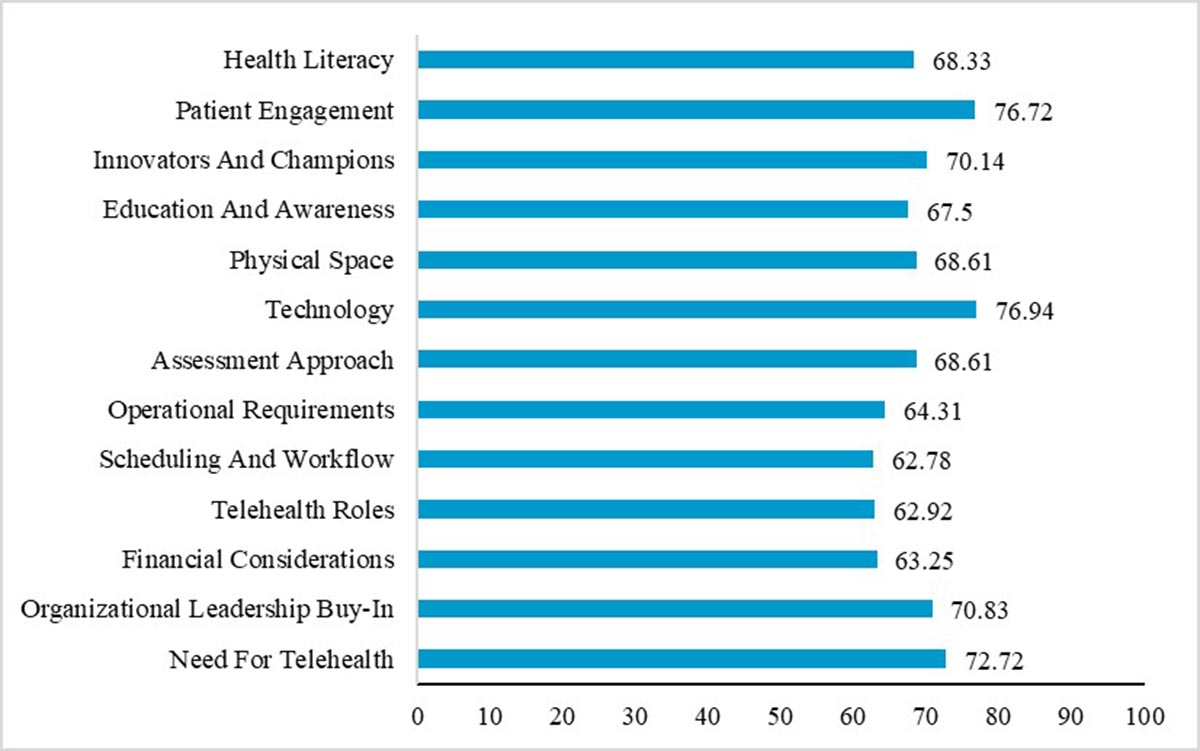
Figure 1. The Mean scores for the readiness of subscales
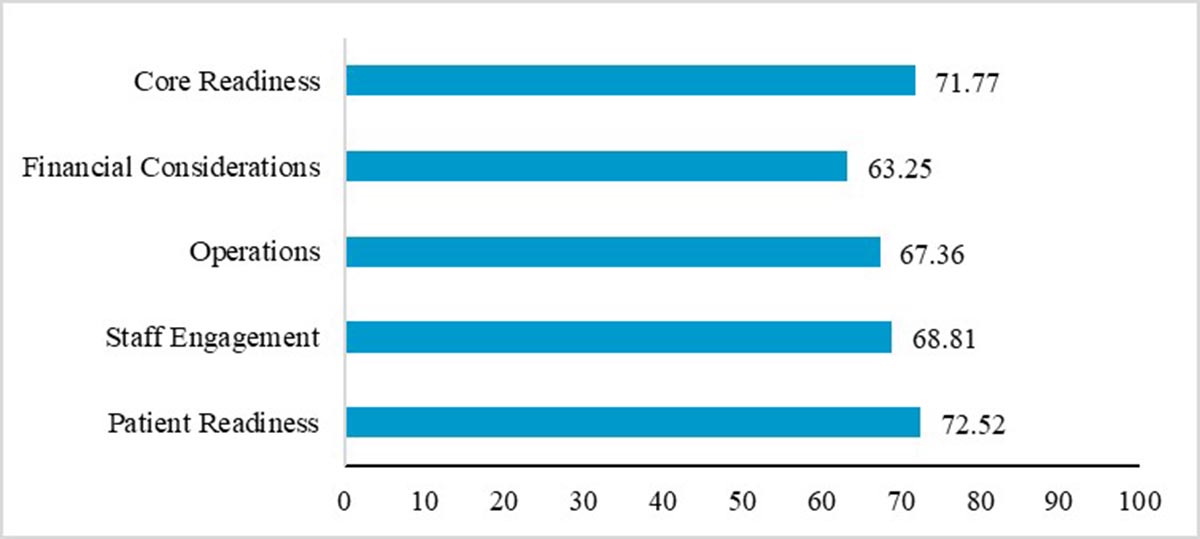
Figure 2. The mean scores of the five key domains
Discussion
In this study, the readiness of the ARC to implement telemedicine was assessed using the Persian version of the TRA tool. The findings show that the Persian version of the TRA is a valid and reliable tool with excellent psychometric qualities. Accordingly, the ARC’s entire staff received access to this tool.
Core Readiness
The mean scores obtained for the subscales “Need for Telemedicine” and “Organizational Leadership Buy-in” indicate that the core readiness of the ARC for telemedicine implementation is moderate. Before deploying telemedicine, it is important to consider various actions for different sections, including finding other leaders, assessing preparedness and experience for change, engaging individuals who have shown opposition to telemedicine, reinforcing the benefits of telehealth, and providing support to staff members.
Financial Considerations
The moderate mean score of this subscale indicates that the financial readiness of the ARC for telemedicine implementation requires careful consideration. Therefore, the ARC managers should evaluate various alternative courses of action before implementing telemedicine. These actions include determining costs and benefits, conducting a Return-on-Investment (ROI) study, seeking clarification from payers, exploring grant funding options, and addressing implementation challenges [ 28 - 30 ].
Operations
The means of subscales Telehealth Roles, Scheduling and Workflows, Operational Requirements, Assessment Approach, and Physical Space were moderate, and subscale Technology was high. Before implementing telemedicine to improve the operations subscale items, action includes: 1) involving staff members in the planning process: engage staff members in the planning phase to identify changing roles and develop strategies to incorporate new telehealth roles into their regular work routines, 2) minimizing disruption: modify current processes and practices to minimize disruption when implementing telemedicine, 3) providing training on workflow changes: ensure that staff members receive training on changes in clinical and administrative workflow as they are identified and documented, 4) fostering positive site relationships: establish contact points at both the origin and distant locations to foster and maintain positive relationships between sites. Formalize relations between sites, understand licensing and credentialing requirements, and implement privacy measures, 4) planning evaluation activities: arrange for the completion of practice evaluation activities and plan for the expected results, 5) assessing physical space requirements: determine the necessary quantity of physical space and ensure that the area is suitable for telemedicine operations, and 6) selecting appropriate technology: choose technology that aligns with the project’s objectives and the practice’s existing situation. Consider the bandwidth requirements for a robust connection capable of supporting telemedicine.
The current clinical and administrative workflows significantly change to use telemedicine effectively, and many staff and providers need to invest time in learning new workflows and techniques [ 31 , 32 ]. In the USA, interviews with seventeen tele-dermatologists revealed that 71% had no telehealth training, and 94% lacked the necessary staff to set up a teleconsultation clinic [ 33 ]. According to Alverson’s research, the development of various types of telemedicine has been challenged by the lack of broadband infrastructure, particularly high-demand video, in store-and-forward services, which depend need extensive health networks [ 34 ]. Bali’s study showed that legal challenges pose a significant barrier to the widespread adoption of telemedicine [ 35 ]. In addition, other notable challenges that impede the progress and expansion of telemedicine networks in developing countries include insufficient ICT literacy and knowledge, linguistic disparities, cultural differences between healthcare providers and patients, and related issues [ 36 ].
Staff Engagement
The mean scores for the subscales Education and Awareness, as well as Innovators/Champions, were moderate. When establishing the ARC, it is important to consider various efforts to educate and raise awareness among innovators and champions before introducing telemedicine. These efforts include: developing a training program, engaging with telemedicine suppliers, identifying champions, and providing support to champions: offering ongoing support and resources to the identified champion(s). This can include mentoring, additional training, and access to relevant materials. By implementing these efforts, the ARC can enhance education and awareness and foster a supportive environment for innovators and champions during the telemedicine implementation process [ 36 ].
Patient Readiness
The mean scores of subscales of Patient Engagement and Health Literacy were high and moderate, respectively. Establishing telemedicine implementation involves several essential steps for the ARC to consider, including assessing the patient population: evaluate the patient population to understand their specific needs and determine how telemedicine can effectively meet those needs, helping customize telemedicine offerings accordingly. Evaluating technological skills and requirements: assessment of the technological skills and requirements of the community to determine the feasibility of establishing telemedicine facilities for specific individuals. This evaluation will aim to identify the services and determine the necessary educational and outreach initiatives to support successful telemedicine adoption.
The study by Gurupur et al. found that while patients were somewhat prepared to use telemedicine, they still required additional exposure, instruction, and opportunities to maximize the benefits of the telemedicine services. Understanding patient motivations can assist practices in identifying solutions that meet their needs and encourage continued utilization of telemedicine [ 37 ]. Understanding what motivates patients can assist practices in identifying the solutions that meet their needs and encourage them to keep utilizing telemedicine [ 38 ].
The limitation of this research lies in the novelty of the questionnaire, which has not been widely utilized in previous studies. As a result, comparing the results of this study with others becomes challenging. For future studies, it is recommended to employ the Persian version of the TRA tool to assess the readiness to implement telemedicine.
Conclusion
The telemedicine readiness score for anesthesiologists was moderate, indicating that the ARC requires further interventions to set up telemedicine effectively. The crucial intervention is removing obstacles related to financial issues. Moreover, items: Core Readiness, Financial, Telehealth Roles, Scheduling and Workflows, Operational Requirements, Assessment Approach, Technology, Physical Space, Staff Engagement, and Patient Readiness need improvement and managers’ attention to reach the desired level. This can be achieved through the modification or modification of hospital, organizational, and clinical strategies. The effective implementation of a system for telemedicine reduces the obstacles to effective patient engagement while improving the geographical accessibility of the care providers. An ideal approach for the efficient and successful utilization of telemedicine services must be adopted to address the obstacles identified to encourage the quick adoption of telemedicine.
Acknowledgment
The authors would like to thank all participants at the anesthesia research center who participated and the authorities of the study setting, which provided permission to conduct the study.
Authors’ Contribution
Sh. Rahamtizadeh conceived the idea. Introduction of the paper was written by Sh. Rahmatizadeh and Ze. Kohzadi. Sh. Rahmatizadeh and Ze. Kohzadi gathers the data. Ze. Kohzadi and Za. Kohzadi gathers the related literature and also help with writing of the related works. The method implementation was carried out by Sh. Rahmatizadeh and Ze. Kohzadi and Za. Kohzadi. Results and Analysis were carried out by Sh. Rahmatizadeh and Ze. Kohzadi. The research work was proofread and supervised by A. Dabbagh and Sh. Rahmatizadeh and H. Emami. Writing-original draft preparation by Ze. Kohzadi, Sh. Rahmatizadeh. Writing-review and editing by A. Dabbagh and Sh. Rahmatizadeh. All the authors read, modified, and approved the final version of the manuscript.
Ethical Approval
This research has been approved by the Ethics Committee of Shahid Beheshti University of Medical Sciences (Ethics Code: IR.SBMU.RETECH.REC.1401.658).
Funding
This research was supported by the School of Allied Medical Sciences, Shahid Beheshti University of Medical Sciences, Tehran, Iran [Project NO: 43004211].
Conflict of Interest
None
References
- Meersch M, Weiss R, Küllmar M, Bergmann L, Thompson A, Griep L, et al. Effect of Intraoperative Handovers of Anesthesia Care on Mortality, Readmission, or Postoperative Complications Among Adults: The HandiCAP Randomized Clinical Trial. JAMA. 2022; 327(24):2403-12. Publisher Full Text | DOI | PubMed [ PMC Free Article ]
- Galvez JA, Rehman MA. Telemedicine in anesthesia: an update. Curr Opin Anaesthesiol. 2011; 24(4):459-62. DOI | PubMed
- Parimbelli E, Bottalico B, Losiouk E, Tomasi M, Santosuosso A, Lanzola G, et al. Trusting telemedicine: A discussion on risks, safety, legal implications and liability of involved stakeholders. Int J Med Inform. 2018; 112:90-98. DOI | PubMed
- Ma Q, Sun D, Tan Z, Li C, He X, Zhai Y, et al. Usage and perceptions of telemedicine among health care professionals in China. Int J Med Inform. 2022; 166:104856. DOI
- Haleem A, Javaid M, Singh RP, Suman R. Telemedicine for healthcare: Capabilities, features, barriers, and applications. Sens Int. 2021; 2:100117. Publisher Full Text | DOI | PubMed [ PMC Free Article ]
- Young JD, Badowski ME. Telehealth: Increasing Access to High Quality Care by Expanding the Role of Technology in Correctional Medicine. J Clin Med. 2017; 6(2):20. Publisher Full Text | DOI | PubMed [ PMC Free Article ]
- Nittari G, Khuman R, Baldoni S, Pallotta G, Battineni G, Sirignano A, et al. Telemedicine Practice: Review of the Current Ethical and Legal Challenges. Telemed J E Health. 2020; 26(12):1427-37. Publisher Full Text | DOI | PubMed [ PMC Free Article ]
- Wang X, Zhang Z, Zhao J, Shi Y. Impact of telemedicine on healthcare service system considering patients’ choice. Discrete Dyn Nat Soc. 2019;1-6. DOI
- Rockwell KL, Gilroy AS. Incorporating telemedicine as part of COVID-19 outbreak response systems. Am J Manag Care. 2020; 26(4):147-8. DOI | PubMed
- Keener AS, Howell DM. A Model for Delivery of Orthopaedic Perioperative Education via Telehealth. Orthop Nurs. 2022; 41(3):229-36. DOI | PubMed
- Funderskov KF, Boe Danbjørg D, Jess M, Munk L, Olsen Zwisler AD, Dieperink KB. Telemedicine in specialised palliative care: Healthcare professionals’ and their perspectives on video consultations-A qualitative study. J Clin Nurs. 2019; 28(21-22):3966-76. DOI | PubMed
- Sood S, Mbarika V, Jugoo S, Dookhy R, Doarn CR, Prakash N, Merrell RC. What is telemedicine? A collection of 104 peer-reviewed perspectives and theoretical underpinnings. Telemed J E Health. 2007; 13(5):573-90. DOI | PubMed
- Alaboudi A, Atkins A, Sharp B, Balkhair A, Alzahrani M, Sunbul T. Barriers and challenges in adopting Saudi telemedicine network: The perceptions of decision makers of healthcare facilities in Saudi Arabia. J Infect Public Health. 2016; 9(6):725-33. DOI | PubMed
- Al-Samarraie H, Ghazal S, Alzahrani AI, Moody L. Telemedicine in Middle Eastern countries: Progress, barriers, and policy recommendations. Int J Med Inform. 2020; 141:104232. DOI | PubMed
- Khoja S, Scott RE, Casebeer AL, Mohsin M, Ishaq AF, Gilani S. e-Health readiness assessment tools for healthcare institutions in developing countries. Telemed J E Health. 2007; 13(4):425-31. DOI | PubMed
- Jennett PA, Gagnon MP, Brandstadt HK. Preparing for success: readiness models for rural telehealth. J Postgrad Med. 2005; 51(4):279-85. PubMed
- Abdullrahim A, DeCoster R. Empirical study of telemedicine readiness in the healthcare sector in developing countries. Int J Technol Hum Interact. 2021; 17(2):40-59. DOI
- Buabbas A, Alshawaf H. Assessment of Kuwait Health System Towards Telemedicine Readiness & Adoption: Organizational and Technical Issues. Stud Health Technol Inform. 2019; 264:1644-5. DOI | PubMed
- Gandhi P A, Kathirvel S, Chakraborty S. Rural community health workers’ readiness for mobile-phone based telemedicine uptake in India. J Rural Med. 2022; 17(3):166-70. Publisher Full Text | DOI | PubMed [ PMC Free Article ]
- Ang-Muñoz CD, Leochico CF, Rayos MM, Ignacio SD, Mojica JA. Readiness and acceptance of Philippine general hospital medical staff for telemedicine as alternative method of patient consultation during the COVID-19 pandemic and post-enhanced community quarantine period. Acta Medica Philippina. 2022; 56(4):32-40. DOI
- Pollak AN. Telehealth Readiness Assessment Tool. Maryland Healthcare Commissio; 2019.
- Polit DF, Beck CT, Owen SV. Is the CVI an acceptable indicator of content validity? Appraisal and recommendations. Res Nurs Health. 2007; 30(4):459-67. DOI | PubMed
- Yusoff MS. ABC of content validation and content validity index calculation. Education in Medicine Journal. 2019; 11(2):49-54. DOI
- Torkian S, Shahesmaeili A, Malekmohammadi N, Khosravi V. Content validity and test-retest reliability of a questionnaire to measure virtual social network addiction among students. Int J High Risk Behav Addict. 2020; 9:1-5. DOI
- Baumgartner TA, Chung H. Confidence limits for intraclass reliability coefficients. Meas Phys Educ Exerc Sci. 2001; 5(3):179-88. DOI
- Runer A, Roberti di Sarsina T, Starke V, Iltchev A, Felmet G, Braun S, et al. The evaluation of Rolimeter, KLT, KiRA and KT-1000 arthrometer in healthy individuals shows acceptable intra-rater but poor inter-rater reliability in the measurement of anterior tibial knee translation. Knee Surg Sports Traumatol Arthrosc. 2021; 29(8):2717-26. Publisher Full Text | DOI | PubMed [ PMC Free Article ]
- Peterson RA. A meta-analysis of Cronbach’s coefficient alpha. Journal of Consumer Research. 1994; 21(2):381-91. DOI
- Molfenter T, Boyle M, Holloway D, Zwick J. Trends in telemedicine use in addiction treatment. Addict Sci Clin Pract. 2015; 10:14. Publisher Full Text | DOI | PubMed [ PMC Free Article ]
- LeRouge C, Garfield MJ. Crossing the telemedicine chasm: have the U.S. barriers to widespread adoption of telemedicine been significantly reduced? Int J Environ Res Public Health. 2013; 10(12):6472-84. Publisher Full Text | DOI | PubMed [ PMC Free Article ]
- Levine M, Richardson JE, Granieri E, Reid MC. Novel telemedicine technologies in geriatric chronic non-cancer pain: primary care providers’ perspectives. Pain Med. 2014; 15(2):206-13. Publisher Full Text | DOI | PubMed [ PMC Free Article ]
- Mair FS, May C, O’Donnell C, Finch T, Sullivan F, Murray E. Factors that promote or inhibit the implementation of e-health systems: an explanatory systematic review. Bull World Health Organ. 2012; 90(5):357-64. Publisher Full Text | DOI | PubMed [ PMC Free Article ]
- Sinclair C, Holloway K, Riley G, Auret K. Online mental health resources in rural Australia: clinician perceptions of acceptability. J Med Internet Res. 2013; 15(9):e193. Publisher Full Text | DOI | PubMed [ PMC Free Article ]
- Armstrong AW, Kwong MW, Ledo L, Nesbitt TS, Shewry SL. Practice models and challenges in teledermatology: a study of collective experiences from teledermatologists. PLoS One. 2011; 6(12):e28687. Publisher Full Text | DOI | PubMed [ PMC Free Article ]
- Alverson DC, Shannon S, Sullivan E, Prill A, Effertz G, Helitzer D, et al. Telehealth in the trenches: reporting back from the frontlines in rural America. Telemed J E Health. 2004; 10(Suppl 2):S95-109. PubMed
- Bali S. Enhancing the reach of health care through telemedicine: Status and new possibilities in developing countries. In: Health care delivery and clinical science: Concepts, methodologies, tools, and applications. IGI Global; 2018. p. 1382-97.
- Bali S. Barriers to development of telemedicine in developing countries. In: Telehealth. IntechOpen; 2018.
- Gurupur V, Shettian K, Xu P, Hines S, Desselles M, Dhawan M, et al. Identifying the readiness of patients in implementing telemedicine in northern Louisiana for an oncology practice. Health Informatics J. 2017; 23(3):181-96. DOI | PubMed
- Wu D, Gu H, Gu S, You H. Individual motivation and social influence: a study of telemedicine adoption in China based on social cognitive theory. Health Policy and Technology. 2021; 10(3):100525. DOI


