Introduction
Non-Ionizing Radiation (NIR) includes a broad spectrum of electromagnetic waves, which includes radio waves, microwaves, and infrared and visible light. Unlike ionizing radiation, NIR does not have sufficient energy to ionize atoms directly; however, it may still interact with matter and induce biological effects. Non-ionizing radiation has a wavelength of more than 100 nm and a photon energy of less than 12.4 eV. Most of these waves cannot be perceived by human senses except for excessive intensities, which are felt as warmth. The effects of those waves are highly dependent on the absorbed location and the frequency of these waves [ 1 - 3 ].
Among the electromagnetic waves, radio waves possess the lowest frequencies and energies. Classified as non-ionizing radiation, these waves are primarily artificial. Mobile phones, a technology with ever-increasing usage, are a prime example. As newer generations emerge, the frequency and energy of the radio waves also rise. Continuous exposure to low-level Radiofrequency Electromagnetic Fields (RF-EMF) from mobile phones absorbed by the whole body has raised concerns about potential health risks [ 4 ].
The pineal gland secretes Melatonin, an important hormone [ 5 ]. Melatonin protects vital intracellular systems such as mitochondria and DNA from oxidative stress. Notably, it can readily permeate all physiological barriers, such as the Blood-Brain Barrier (BBB). Interestingly, melatonin levels exhibit a low natural daily rhythm during the day, which peaks at night. While research shows contributions to hair growth, skin pigmentation, and physiology/pathology [ 6, 7 ], its primary focus appears elsewhere. Melatonin boosts the molecular levels of crucial antioxidant enzymes like superoxide dismutase and glutathione peroxidase while suppressing nitric oxide synthesis. A study by Fischer et al. has shown its superiority to glutathione or mannitol in inhibiting hydroxyl-free radicals [ 8 ]. This multifunctional hormone boasts diverse properties, including direct and indirect free radical inhibition, stimulation of antioxidant enzyme activity, and inhibition of pro-oxidative enzymes. These characteristics collectively position it as a potentially valuable radiation protector [ 8, 9 ].
This study aimed to explore the protective effects of melatonin against radio-wave radiation in L929 fibroblast cells. Specifically, we investigated the effect of melatonin on apoptosis (programmed cell death) levels, Reactive Oxygen Species (ROS) levels, and the expression of genes Bax and Bcl2.
Material and Methods
Cell culture
This experimental study used L-929 cells (a type of mouse fibroblast cell line) to perform the test. These adherent cells have a small size of about 5-10 µm; for culturing these cells, Roswell Park Memorial Institute (RPMI) 1640 culture media was completed by adding 10% Fetal Bovine Serum (FBS) and 1% penicillin/streptomycin. L929 cells were divided into six groups and cultured for the assays. The first group served as the control, receiving no treatment. The second group was treated with Melatonin at 200 nM. Groups three and four were treated with RF radiation for 8 and 16 hours, respectively. Groups five and six received melatonin pretreatment 1 hour before RF radiation for 8 and 16 hours, respectively.
Melatonin preparation
Melatonin, a white-colored powder with a molecular weight of 232.28 g/mole, was obtained from Sigma. The powder was dissolved in Phosphate Buffered Saline (PBS) to prepare the melatonin solution for the study. The dissolution of Melatonin in PBS ensures its proper dispersion and distribution within the cell culture medium. Melatonin pretreatment involved adding the melatonin solution at 200 nM concentration to the cell culture medium one hour before RF irradiation. This pretreatment step allows Melatonin to exert its protective effects before the cells are exposed to the radiation stress.
RF radiation
After cell culture, we give the cells a full day 24 hours to get comfortable and adapt to the new conditions. Following this crucial adaptation phase, we transfer the cell flasks to another incubator with a radio frequency simulator with a frequency of 900 MHz (a frequency commonly used in mobile phone communications) [ 10 ]. We then expose groups of L-929 cells to this RF radiation for either 8 or 16 hours.
Apoptosis Detection by Annexin V-FITC and Propidium Iodide (PI)
Apoptosis was detected via Annexin V-FITC assay kit. It is programmed cellular death, which is a process of removing damaged cells. We used flow cytometry to measure the amount of apoptosis in L-929 cells after melatonin treatment and RF irradiation. L-929 cells were cultured in 12-well plates, with a density of 50,000 cells per well. One hour before RF irradiation, the cells were treated with Melatonin. Cells were exposed to RF radiation for both 8 and 16 hours. One hour after irradiation, the cells were analyzed for apoptosis through flow cytometry. After fibroblast cells were treated with Melatonin and RF Radiation were washed with PBS and suspended in binding buffer, the cells were detached with 0.25% trypsin and washed two times with PBS; then, we added Annexin V Binding and PI solution and incubated at the room temperature for 20 min. After that, a binding buffer was added to the cell suspensions, and the results were analyzed using a flow cytometer.
Reactive Oxygen Species ROS generation assay
ROS are a set of primarily reactive molecules containing oxygen and nitrogen that are produced as byproducts of ordinary oxygen metabolism within the body. These volatile molecules react with other molecules in cells, leading to adverse changes in various cellular components. Kooshan Zist ROS assay kit has been used to measure the ROS levels in the L-929 cells. The kit utilizes the broadly used florigenic probe H2DCF-DA, which effectively measures intracellular ROS levels. ROS was measured with the non-fluorescent probe 2’, 7’-dichlorofluorescein diacetates (DCFH-DA). After the cells were treated with Melatonin and RF, the complete culture medium was removed, and the cells were washed with ROS buffer. The cells were incubated with DCFH-DA for 60 min, washed, and scraped into ROS buffer. The fluorescence was examined at 495 nm for excitation and 535 nm for emission with a microplate reader.
Quantitative Real-Time Polymerase Chain Reaction (RT-PCR) for Analysis of Bax and Bcl-2 mRNA Expression
To amplify the Bax and Bcl2 genes, we first extracted the RNA (Ribonucleic Acid) of the L929 cells. The quality and yield of the total RNA were determined spectrophotometrically at 260 nm. Then, a 2-pattern template was made from RNA to perform the PCR (Polymerase Chain Reaction) test, known as cDNA (complementary Deoxyribonucleic Acid) or template DNA (Deoxyribonucleic Acid).
Then, q-PCR samples were prepared; Each 20 μL RT-PCR reaction contained 5 μL cDNA, 10 μL SYBR green, 4 μL distilled water, and 1 μL primers (forward & reverse). At a high temperature (95 degrees Celsius), the two DNA strands were first separated from each other; then, at a temperature of 58 degrees Celsius, the primers were attached to the DNA strand. After that, by increasing the temperature to 72 °C, the DNA polymerase attached to the 3-end of the primers in the cDNA and copied them using nucleotides. The temperature was repeated from 35 to 45 times and, therefore, caused much amplification of the target gene. In the end, the amplification of these genes was measured by reading the fluorescent dye added to the samples at 522 nm by the q-PCR machine. It was compared and analyzed with the reference gene.
Statistical analysis
Statistical analysis was performed using the SPSS (v.26) statistical package, version 26. The Kolmogorov-Smirnov test demonstrated a normal distribution for the quantitative variables. Significant differences between the groups were determined using an independent sample t-test and one-way Analysis of Variance (ANOVA) followed by the Bonferroni test. A P-value of less than 0.05 was considered statistically significant.
Results
In comparison to the control group, cell survival was reduced in the 8-hour irradiated groups (P-Value<0.001). In 16-hour radiated cells, pretreatment with Melatonin significantly increased cell survival compared to the group receiving only radiation (P-Value<0.001) (Figure 1).
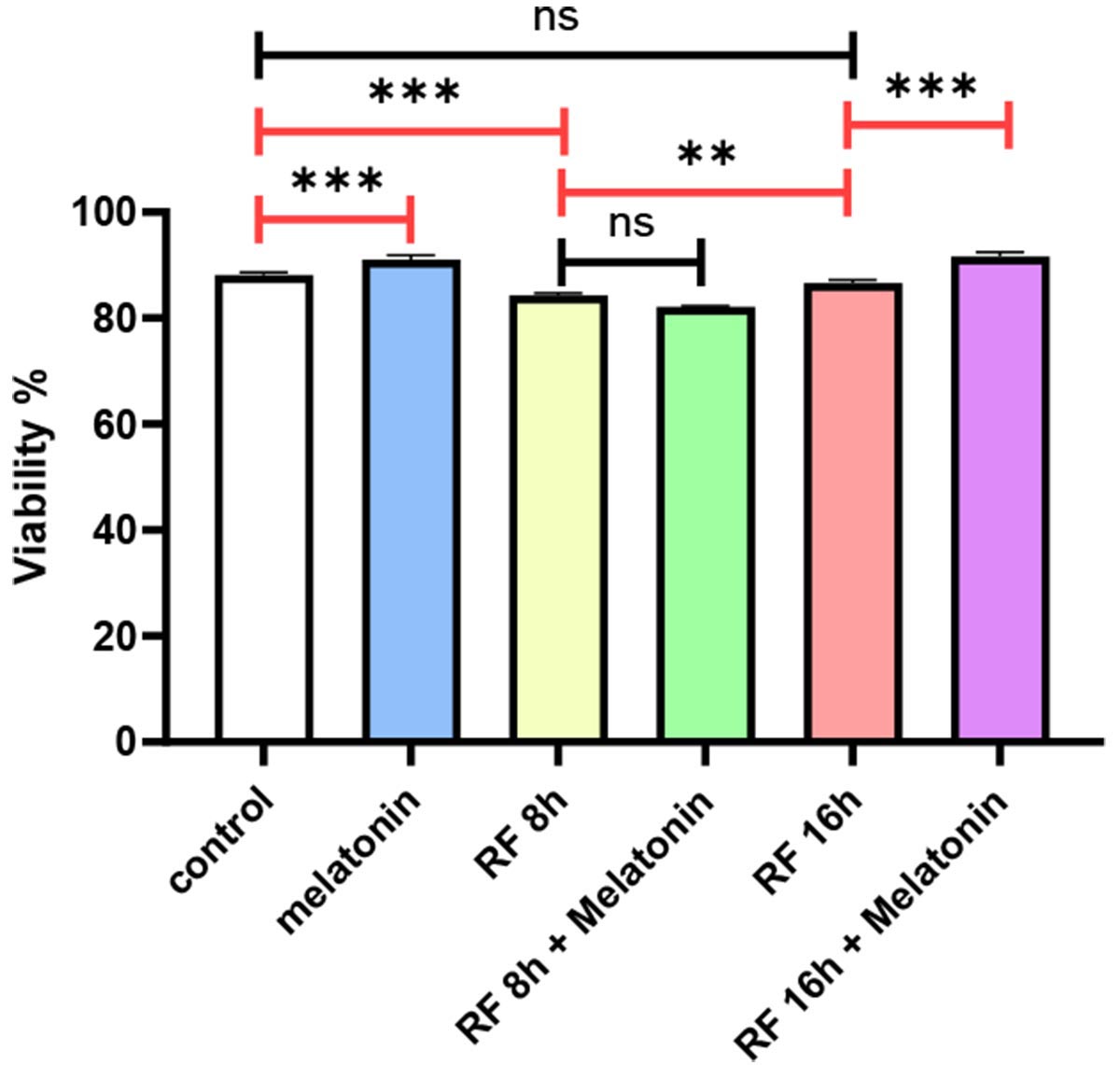
Figure 1. Cell Viability in the studied groups (compared to the control group ns: P-Value>0.05, *: P-Value<0.05, **: P-Value<0.01, ***: P-Value<0.001) )
Regarding apoptosis, the total amount was reduced in the melatonin group compared to the control group (P-Value<0.001), suggesting a protective effect. Radiation increased the apoptosis in cells significantly (P-Value<0.001), and melatonin treatment significantly reduced total apoptosis in the 16-hour radiation cells compared to the cells just irradiated (P-Value<0.001) (Figure 2).
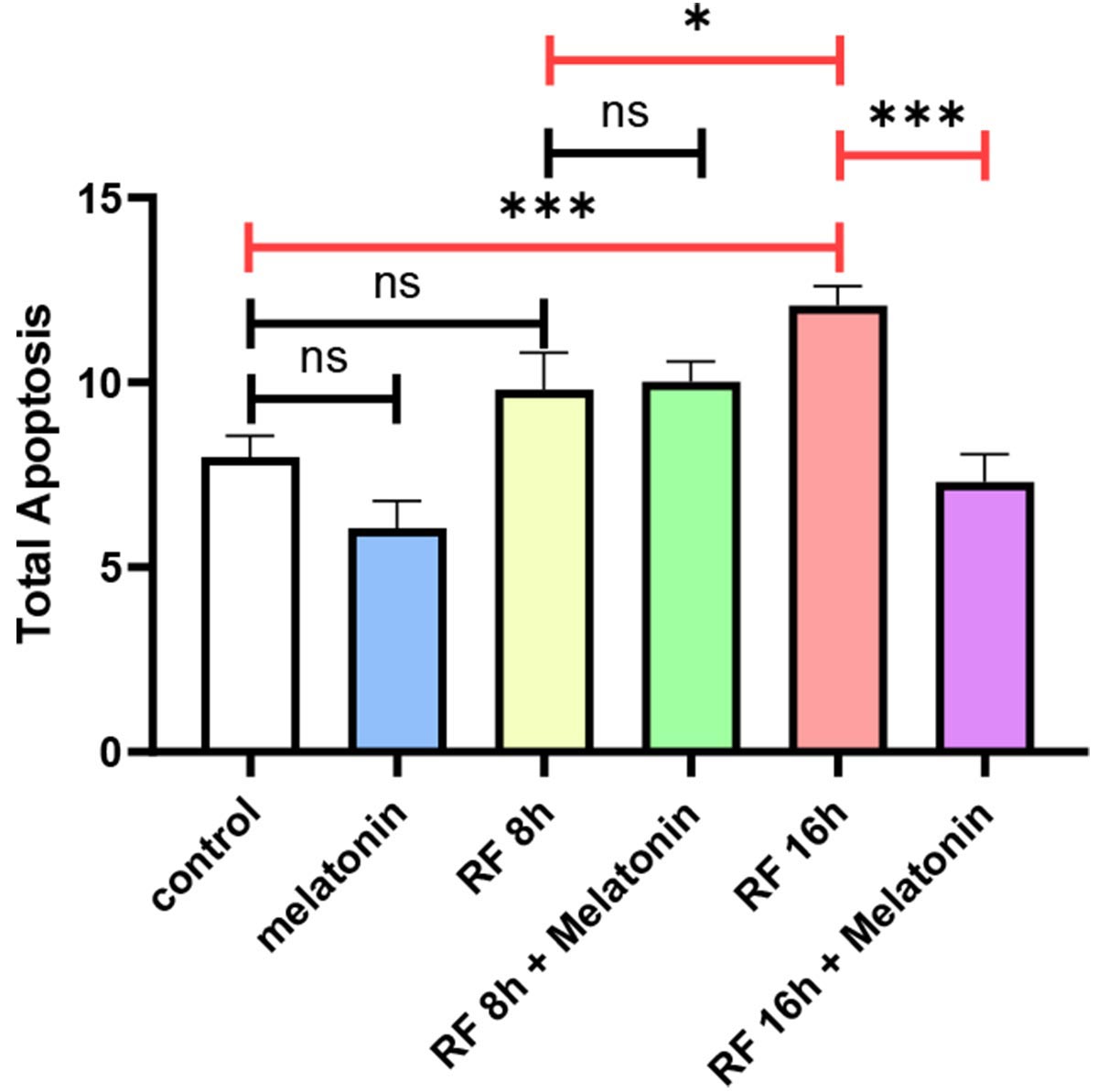
Figure 2. Total Apoptosis in the studied groups (compared to the control group ns: P-Value>0.05, *: P-Value<0.05, **: P-Value<0.01, ***: P-Value<0.001
Cells exposed only to RF showed a significant increase in intracellular ROS levels compared to the control group (P-Value<0.001). Adding Melatonin to the RF exposure group (RF 16h + Melatonin) appeared to reduce the ROS production compared to the RF irradiated group, but it was not significant (Figure 3).
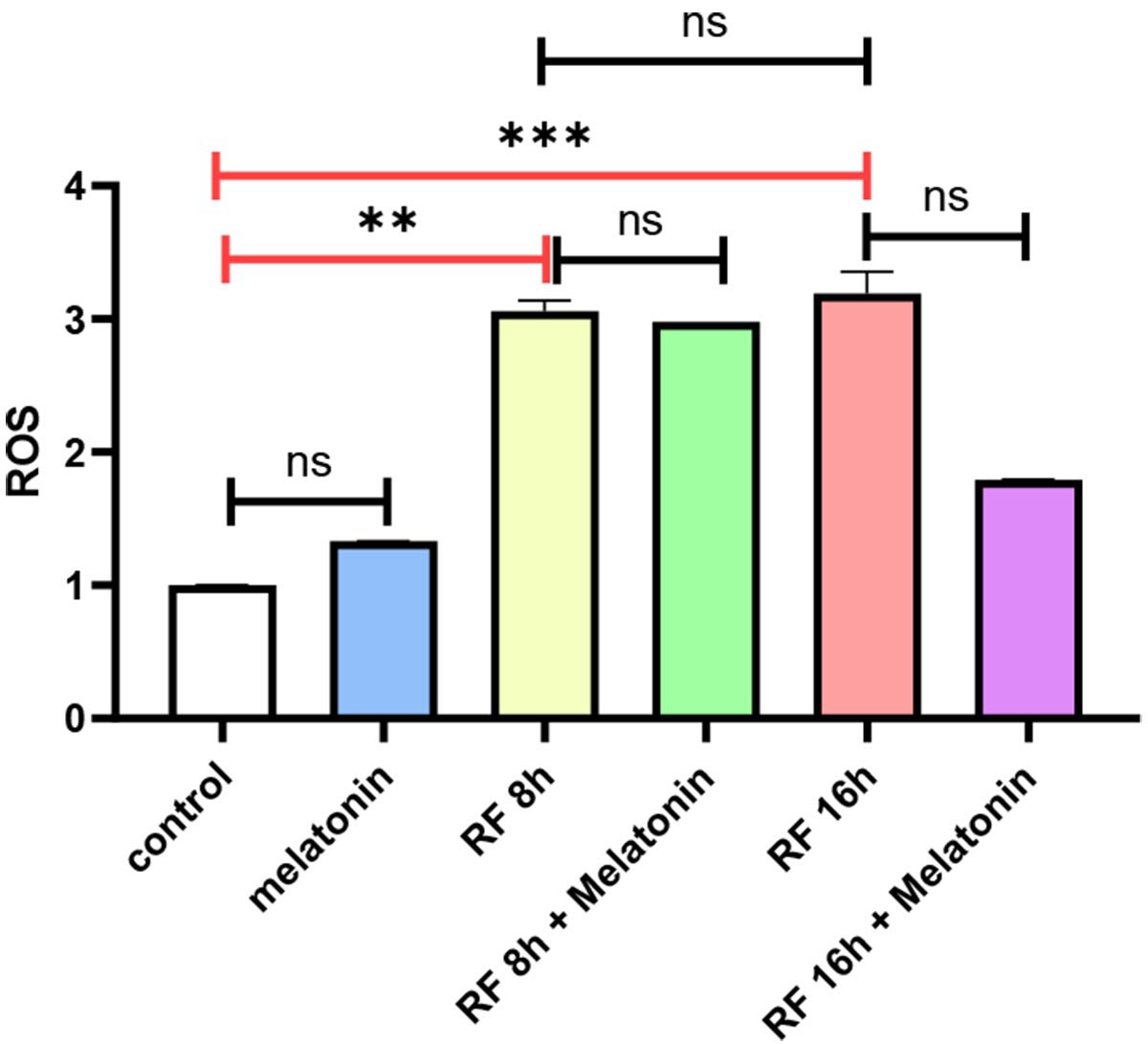
Figure 3. Reactive Oxygen Species (ROS) level in the studied groups (compared to the control group ns: P-Value>0.05, *: P-Value<0.05, **: P-Value<0.01, ***: P-Value<0.001)
Radiation exposure significantly increased Bax gene expression in RF radiation groups compared to the control group. Interestingly, melatonin pretreatment significantly decreased Bax expression in the 8-hour radiation group. Bcl-2 gene expression significantly decreased in both radiation groups and melatonin treatment prevented the decrease in Bcl-2 expression in both the 8 and 16-hour radiation groups. The Bax/Bcl-2 ratio, an indicator of the balance between cellular death and survival, increased significantly in the radiation groups compared to the controls (P-Value<0.01). However, melatonin pretreatment significantly reduced the Bax/Bcl-2 ratio in the 8-hour radiation group (P-Value<0.01) (Figure 4).
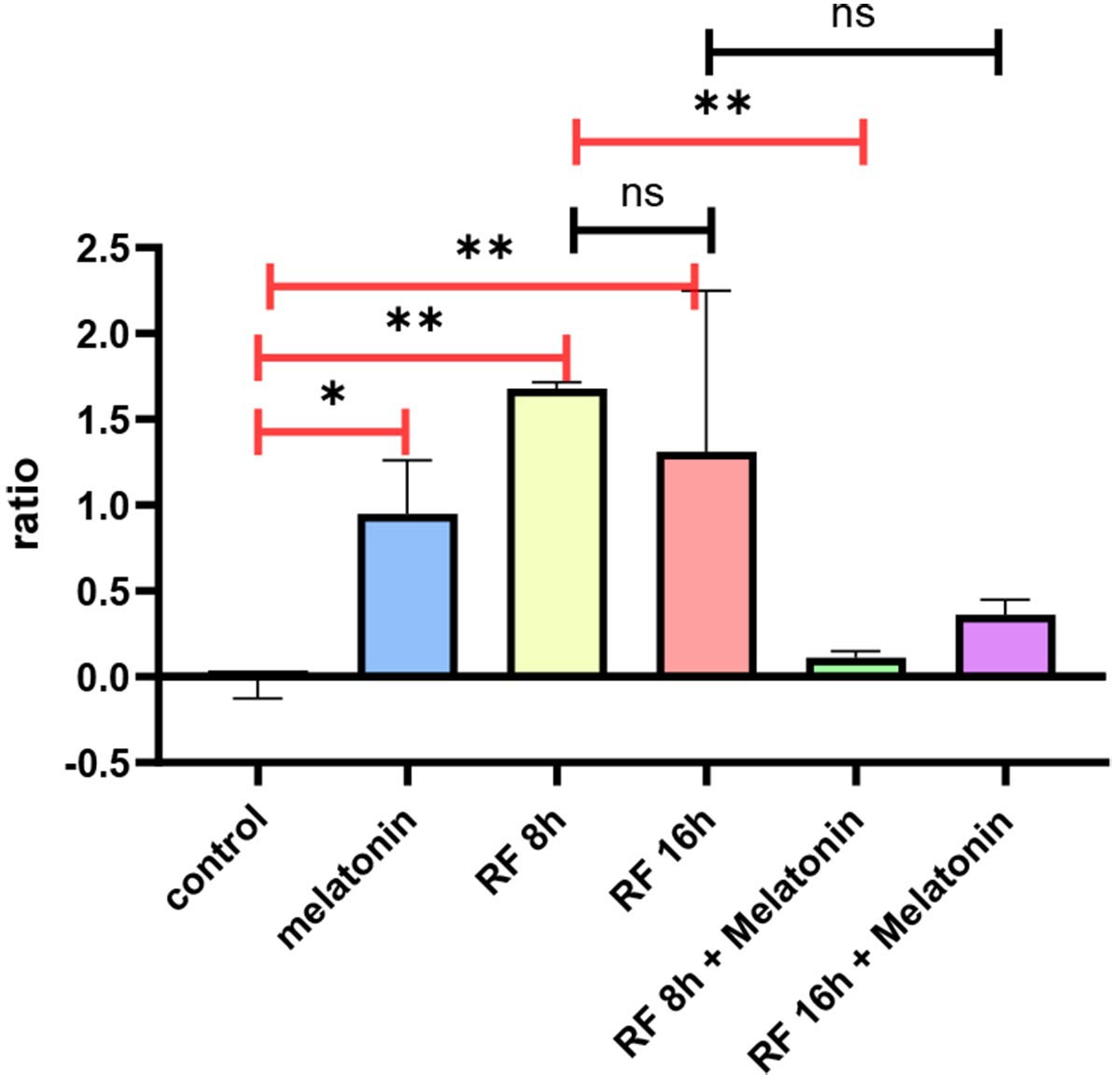
Figure 4. Bax/Bcl2 ratio (logarithmic) in the studied groups (compared to the control group ns: P-Value>0.05, *: P-Value<0.05, **: P-Value<0.01, ***: P-Value<0.001)
Discussion
This study found that L929 fibroblast cell survival decreased after exposure to 8-hour RF radiation (P-Value<0.001). Melatonin treatment significantly increased cell survival in the 16-hour radiation group compared to the group that received radiation without melatonin (P-Value<0.001). Our results are in line with several previous studies. Kahya et al. reported a significant reduction in MDA-MB-231 breast cancer cell survival following exposure to 900 MHz radiation [ 11 ]. Esmekaya et al. observed a similar decrease in fibroblast cell viability after RF radiation [ 12 ]. Dartsch et al. demonstrated that L929 cell survival significantly decreased with increasing exposure to non-thermal mobile phone radiation [ 13 ]. However, Buttiglione et al. showed contrasting results; they found no change in cell viability for SH-SY5Y neuroblastoma cells after short-term 900 MHz RF exposure, but a decrease after 24 hours was observed [ 14 ]. Velizarov et al. reported no significant changes in AMA cell viability with short-term RF radiation [ 15 ]. Marjanovic Cermak et al. observed no significant effect on V79 fibroblast cell viability after short-term 1800 MHz RF exposure [ 16 ]. Li et al. showed a decrease in NIH/3T3 cell viability after exposure to 1800 MHz RF radiation for 12, 36, and 48 hours, but not at 24 hours. The authors suggest that this difference might be due to cell repair mechanisms or cell cycle sensitivity [ 17 ]. According to Manna et al. exposure of A375 human skin cancer cells to 900 MHz RF radiation for 60 minutes did not cause significant changes in cell viability. The authors suggest this might be due to the short duration of exposure [ 18 ]. In Marjanovic Cermak et al. study, SH-SY5Y neuroblastoma cells exposed to 1800 MHz RF radiation at 1.6 W/kg for 10, 30, and 60 minutes also showed no significant changes in cell viability. Again, the short exposure time is likely a contributing factor [ 19 ]. These contrasting findings highlight the complexity of RF radiation’s effects on cells. Factors like radiation frequency, exposure duration, and cell type likely play a significant role. Our study adds to the ongoing investigation of the impact of RF radiation on cell survival. The protective effect of melatonin warrants further studies to explore its potential applications and the generalizability of these findings.
We assessed the effect of RF radiation and melatonin on apoptosis in L929 fibroblast cells. Compared to the control group, radiation exposure increased total apoptosis after 16 hours of irradiation (P-Value<0.001) and Melatonin treatment significantly reduced total apoptosis in the 16-hour radiation group (P-Value<0.001). These findings are consistent with previous research; Esmekaya et al. demonstrated that 2.1 GHz radiation-induced apoptosis in fibroblast cells, with the effect dependent on exposure duration [ 12 ]. Li et al. reported a significant increase in late apoptotic cells after 48 hours of RF radiation exposure [ 17 ]. Delen et al. observed increased apoptosis in the cells exposed to RF radiation, and this increase was mitigated by melatonin treatment [ 20 ]. Our study supports the notion that RF radiation can trigger apoptosis in L929 cells, and melatonin offers a protective effect.
We found that RF radiation exposure significantly increased ROS levels compared to the control group. Melatonin treatment, however, showed a trend toward reducing ROS levels in the 16-hour radiation group, although this decrease was not statistically significant. These findings are partially in the same line with previous studies. Kahya et al. observed increased ROS levels in breast cancer cells after being exposed to 900 MHz radiation [ 11 ]. Xu et al. mentioned a similar increase in ROS production in the neurons exposed to 1800 MHz RF radiation for 24 hours [ 21 ]. They also found that melatonin pretreatment reduced ROS levels. Marjanovic Cermak et al. documented increased ROS levels in neuroblastoma cells exposed to 1800 MHz RF radiation for short durations (10, 30, and 60 minutes) [ 19 ]. Li et al. observed a significant increase in ROS levels in mouse spermatocyte cells exposed to RF radiation for 24 hours. This study also showed that melatonin pretreatment reduced ROS levels [ 22 ]. However, other studies showed contrasting results; Manna et al. observed no significant change in ROS production in human skin cancer cells after short-term exposure to 900 MHz RF radiation [ 18 ]. Similarly, Yavas et al. found no significant increase in ROS levels in the rat serum after exposure to RF radiation, due to low radiation intensity or the repair mechanisms of the organism [ 23 ]. Our study suggests that RF radiation can increase ROS levels in L929 cells, and melatonin may offer some protective effects.
Our study investigated the effects of RF radiation and the protective effect of melatonin on Bax and Bcl2 apoptosis gene expression in L929 fibroblast cells. We showed that RF increased Bax gene expression and decreased Bcl-2 gene expression, as compared to the control group. This resulted in a significant increase in the Bax/Bcl-2 ratio (P-Value<0.01), a marker of increased apoptosis. Melatonin treatment significantly decreased Bax expression and prevented the decrease in Bcl-2 expression in the 8-hour radiation group. This led to a reduced Bax/Bcl-2 ratio, suggesting a protective impact against radiation-triggered apoptosis (P-Value<0.01). These findings are partially consistent with previous research. Buttiglione et al. showed a decrease in Bcl-2 gene expression; however, there was no change in Bax gene expression in the neuroblastoma cells exposed to RF radiation [ 14 ]. Motawi et al. showed increased Bax and decreased Bcl-2 expression in the brain tissue of the mice exposed to radiation, leading to a higher Bax/Bcl-2 ratio [ 24 ]. Tohidi et al. found that RF radiation exposure decreased Bax/Bcl-2 mRNA expression in rat hippocampal cells, but the effect relied on the duration of exposure [ 25 ]. Our study suggests that RF radiation can promote apoptosis in L929 cells via altering Bax and Bcl-2 gene expression. Melatonin treatment, especially on the 8-hour time factor, appears to protect against this effect.
Conclusion
While RF waves have traditionally been considered non-carcinogenic, recent studies suggest their capacity to influence cellular processes. A proposed mechanism involves the generation of free radicals and subsequent oxidative damage, both of which are implicated in the progression of cancer. The imperceptibility of these waves with the increasing number of sources raises concerns about potential health effects, prompting further research. We showed the protective effect of Melatonin before RF radiation on L929 fibroblast cells.
Flow cytometry analysis confirmed that RF waves decreased cell viability and increased total apoptosis (programmed cell death). Furthermore, the study demonstrates that the protective effect of Melatonin mitigates these adverse effects. Bax and Bcl-2 gene expression, known to influence cell death and survival pathways, were also analyzed. The findings show that RF waves increase the Bax/Bcl-2 ratio, indicating a shift toward cell death. Melatonin treatment, however, significantly reduced this ratio, suggesting a potential role in restoring the balance between cell death and survival pathways. This study contributes to understanding the interaction between RF waves and cellular health. The observed protective effects of Melatonin on L929 cells warrant further investigation to explore its potential applications and determine the generalizability of these findings to other cell types and exposure scenarios.
Acknowledgment
The authors would like to thank Shiraz University of Medical Sciences, Shiraz, Iran, the Center for Development of Clinical Research of Namazee Hospital, Dr. Kesht Varz for statistical assistance, and Dr. Banafshe Rastegari for her cooperation in the laboratory stages of the project.
Authors’ Contribution
R. Fardid planned the scheme, initiated the project, proposed the experiments, analyzed the results, and edited the manuscript. F. Zaker planned the scheme, initiated the project, proposed the experiments, conducted the experiments, analyzed the empirical results, and wrote and edited the manuscript. M. Haghani planned the scheme, proposed the experiments, and contributed to scientific consulting. J. Saberzadeh analyzed the results and contributed to scientific consulting and guidance in cell culture techniques. All authors discussed the results and reviewed and approved the final version of the manuscript.
Ethical Approval
The present article was extracted from the MSc thesis written by Fateme Zaker. Shiraz University of Medical Sciences approved ot with the ethics code of IR.SUMS.REC.1402.266.
Funding
This study was supported by Shiraz University of Medical Sciences Grants No. 28677.
Conflict of Interest
R. Fardid, as the Editorial Board Member, was not involved in the peer-review and decision-making processes for this manuscript.
References
- Moulder JE. Power-frequency fields and cancer. Crit Rev Biomed Eng. 1998; 26(1-2):1-116. DOI | PubMed
- Martin CJ, Sutton DG. Practical radiation protection in healthcare. USA: Oxford University Press; 2015.
- ICNIRP. Guidelines for limiting exposure to time-varying electric, magnetic, and electromagnetic fields (up to 300 GHz). International Commission on Non-Ionizing Radiation Protection. Health Phys. 1998; 74(4):494-522. PubMed
- Kim HS, Paik MJ, Seo C, Choi HD, Pack JK, Kim N, Ahn YH. Influences of exposure to 915-MHz radiofrequency identification signals on serotonin metabolites in rats: a pilot study. Int J Radiat Biol. 2021; 97(2):282-7. DOI | PubMed
- Lokhorst GJ. Descartes and the pineal gland. 2005.
- Shirazi AR, Hadadi GH, Ghazi-khansari M, Abolhassani F, Mahdavi SR, Eshraghian MR. Evaluation Of Melatonin For Prevention Of Radiation Myelopathy In Irradiated Cervical Spinal Cord. Cell J. 2009; 11(1):43-8.
- Slominski A, Tobin DJ, Zmijewski MA, Wortsman J, Paus R. Melatonin in the skin: synthesis, metabolism and functions. Trends Endocrinol Metab. 2008; 19(1):17-24. DOI | PubMed
- Fischer TW, Slominski A, Zmijewski MA, Reiter RJ, Paus R. Melatonin as a major skin protectant: from free radical scavenging to DNA damage repair. Exp Dermatol. 2008; 17(9):713-30. DOI | PubMed
- Slominski A, Fischer TW, Zmijewski MA, Wortsman J, Semak I, Zbytek B, et al. On the role of melatonin in skin physiology and pathology. Endocrine. 2005; 27(2):137-48.
- Jooyan N, Goliaei B, Bigdeli B, Faraji-Dana R, Zamani A, Entezami M, Mortazavi SMJ. Direct and indirect effects of exposure to 900 MHz GSM radiofrequency electromagnetic fields on CHO cell line: Evidence of bystander effect by non-ionizing radiation. Environ Res. 2019; 174:176-87. DOI | PubMed
- Kahya MC, Nazıroğlu M, Çiğ B. Selenium reduces mobile phone (900 MHz)-induced oxidative stress, mitochondrial function, and apoptosis in breast cancer cells. Biol Trace Elem Res. 2014; 160(2):285-93. DOI | PubMed
- Esmekaya MA, Seyhan N, Kayhan H, Tuysuz MZ, Kurşun AC, Yağcı M. Investigation of the effects of 2.1 GHz microwave radiation on mitochondrial membrane potential (ΔΨm), apoptotic activity and cell viability in human breast fibroblast cells. Cell Biochem Biophys. 2013; 67(3):1371-8. DOI | PubMed
- Dartsch PC, Dochow T. Cellular effects following exposure to mobile phone radiation and its compensation. Jpn J Med. 2019; 2:338-43. DOI
- Buttiglione M, Roca L, Montemurno E, Vitiello F, Capozzi V, Cibelli G. Radiofrequency radiation (900 MHz) induces Egr-1 gene expression and affects cell-cycle control in human neuroblastoma cells. J Cell Physiol. 2007; 213(3):759-67. DOI | PubMed
- Velizarov S, Raskmark P, Kwee S. The effects of radiofrequency fields on cell proliferation are non-thermal. Bioelectrochem Bioenerg. 1999; 48(1):177-80. DOI | PubMed
- Marjanovic Cermak AM, Pavicic I, Tariba Lovakovic B, Pizent A, Trosic I. In vitro non-thermal oxidative stress response after 1800 MHz radiofrequency radiation. Gen Physiol Biophys. 2017; 36(4):407-14. DOI | PubMed
- Li DY, Song JD, Liang ZY, Oskouei K, Xiao XQ, Hou WZ, et al. Apoptotic Effect of 1800 MHz Electromagnetic Radiation on NIH/3T3 Cells. Int J Environ Res Public Health. 2020; 17(3):819. Publisher Full Text | DOI | PubMed [ PMC Free Article ]
- Manna D, Sanyal S, Ghosh R. Studies on Genotoxic Effects of Mobile Phone Radiation on A375 Cells. Iran J Med Phys. 2019; 16:75-84. DOI
- Marjanovic Cermak AM, Pavicic I, Trosic I. Oxidative stress response in SH-SY5Y cells exposed to short-term 1800 MHz radiofrequency radiation. J Environ Sci Health A Tox Hazard Subst Environ Eng. 2018; 53(2):132-8. DOI | PubMed
- Delen K, Sırav B, Oruç S, Seymen CM, Kuzay D, Yeğin K, Take Kaplanoğlu G. Effects of 2600 MHz Radiofrequency Radiation in Brain Tissue of Male Wistar Rats and Neuroprotective Effects of Melatonin. Bioelectromagnetics. 2021; 42(2):159-72. DOI | PubMed
- Xu S, Zhou Z, Zhang L, Yu Z, Zhang W, Wang Y, et al. Exposure to 1800 MHz radiofrequency radiation induces oxidative damage to mitochondrial DNA in primary cultured neurons. Brain Res. 2010; 1311:189-96. DOI | PubMed
- Li R, Ma M, Li L, Zhao L, Zhang T, Gao X, et al. The Protective Effect of Autophagy on DNA Damage in Mouse Spermatocyte-Derived Cells Exposed to 1800 MHz Radiofrequency Electromagnetic Fields. Cell Physiol Biochem. 2018; 48(1):29-41. DOI | PubMed
- Yavaş MC, Yegin K, Oruç S, Delen K, Sirav B. Analysis of thiol/disulphide homeostasis and oxidant-antioxidant status as a result of exposure to radio-frequency electromagnetic fields. Electromagn Biol Med. 2021; 40(1):84-91. DOI | PubMed
- Motawi TK, Darwish HA, Moustafa YM, Labib MM. Biochemical modifications and neuronal damage in brain of young and adult rats after long-term exposure to mobile phone radiations. Cell Biochem Biophys. 2014; 70(2):845-55. DOI | PubMed
- Tohidi FZ, Sadr-Nabavi A, Haghir H, Fardid R, Rafatpanah H, Azimian H, Bahreyni-Toossi MH. Long-term exposure to electromagnetic radiation from mobile phones can cause considerable changes in the balance of Bax/Bcl2 mRNA expression in the hippocampus of mice. Electromagn Biol Med. 2021; 40(1):131-7. DOI | PubMed


